Note: This article is a general information, lifestyle feature and personal opinion. It is not professional or medical advice.
There are few things more humbling than cleaning your bathroom, feeling very responsible, maybe even lighting a candle, then coming back thirty minutes later and realizing: why does it still smell like that?
First of all, you are not imagining it. Bathrooms are naturally tricky because they deal with water, humidity, drains, soap residue, body oils, hair, and very tight corners where dirt likes to retire in peace. The smell is not always about “not cleaning enough.” Sometimes, it is about cleaning the obvious parts while the real source is hiding somewhere less glamorous.
Moisture is probably the main character
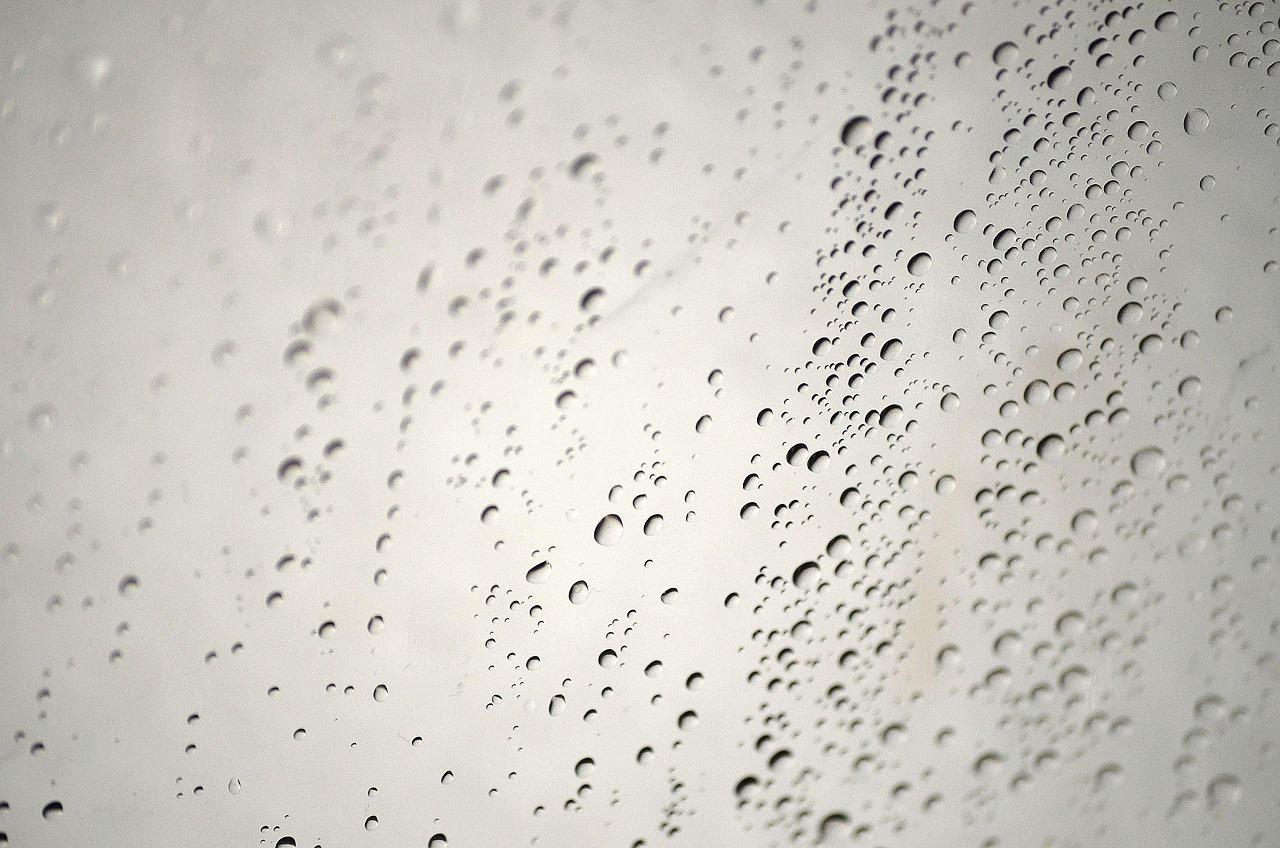
The source is the buildup hiding in absorbent surfaces.
Bathrooms are almost always exposed to moisture. Showers, wet floors, damp towels, and poor airflow can keep surfaces humid longer than we realize. Mold may begin growing indoors when mold spores land on wet surfaces, and mold will not grow without water or moisture. Since mold needs moisture to thrive, controlling moisture is the most important step in preventing mold growth.
So if the bathroom keeps smelling musty, the issue may not be the tile you just wiped. It may be the moisture that keeps coming back after every shower.
This is why bathrooms with weak ventilation tend to feel “kulob.” For bathrooms where mold tends to return, better airflow can make a big difference. Using an exhaust fan, opening a window, and cleaning the area more often may help reduce mold buildup and keep it from coming back as quickly.
You may be cleaning the surface, but not the source
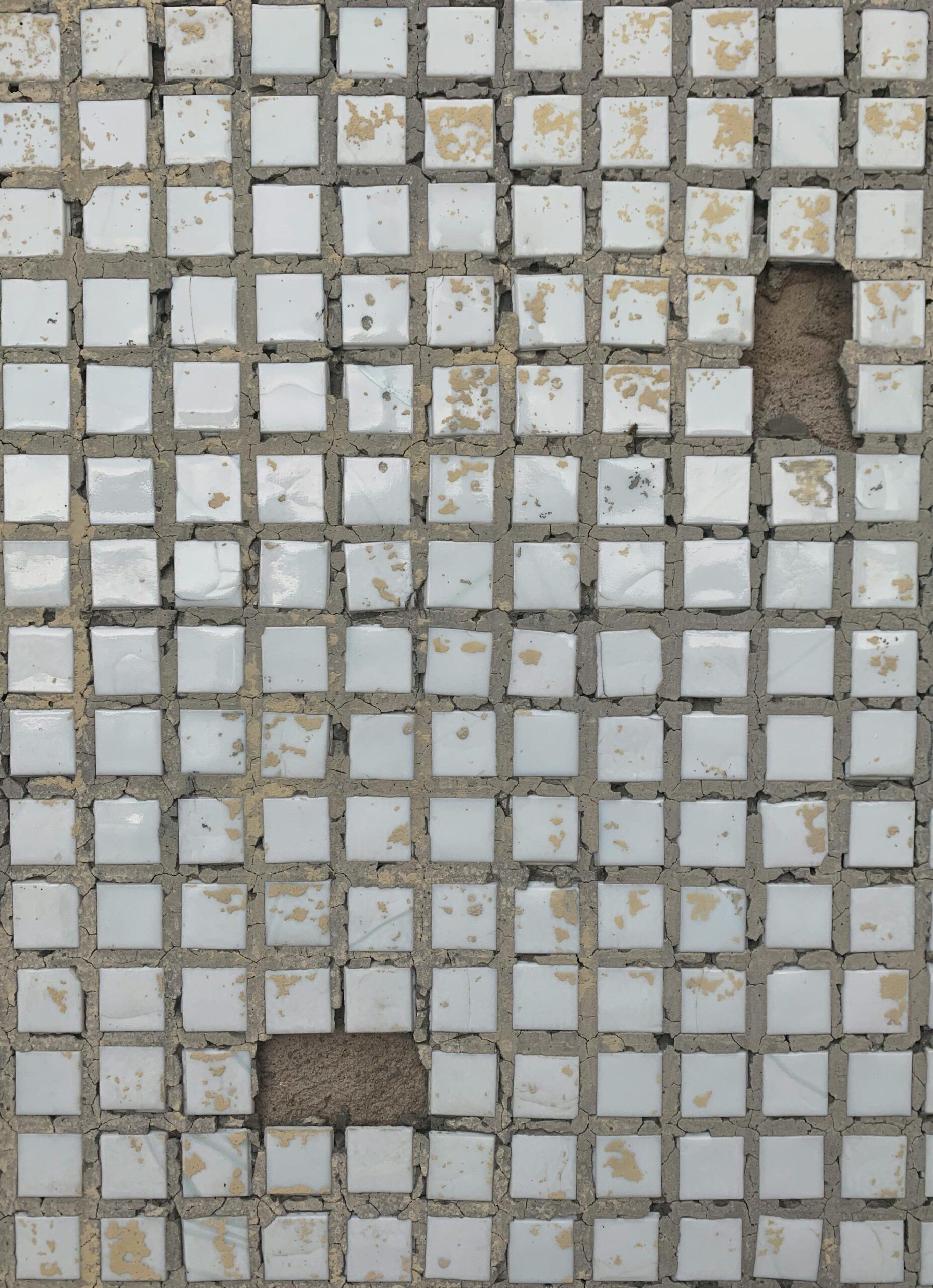
Sometimes the smell is hiding where the mop does not reach.
A quick wipe can make the bathroom look better, but smells often come from less obvious areas.
Think grout lines, floor corners, the base of the toilet, shower tracks, drains, underside edges, and areas behind bottles or bins. These places collect moisture, soap residue, body oils, dust, and hair. Once organic matter builds up, the bathroom can smell “off” even if the visible surfaces look clean.
Drains are especially guilty. Smelly drains are often caused not by the water itself, but by gas from bacteria living on food, soap, hair, and other organic matter that builds up inside drain pipes.
In other words, your bathroom may not be as dirty as it smells. Sometimes, the drain is just carrying dirty baggage that needs to be cleared out. Which brings us to our next point below.
The drain might be dry, clogged, or quietly causing trouble
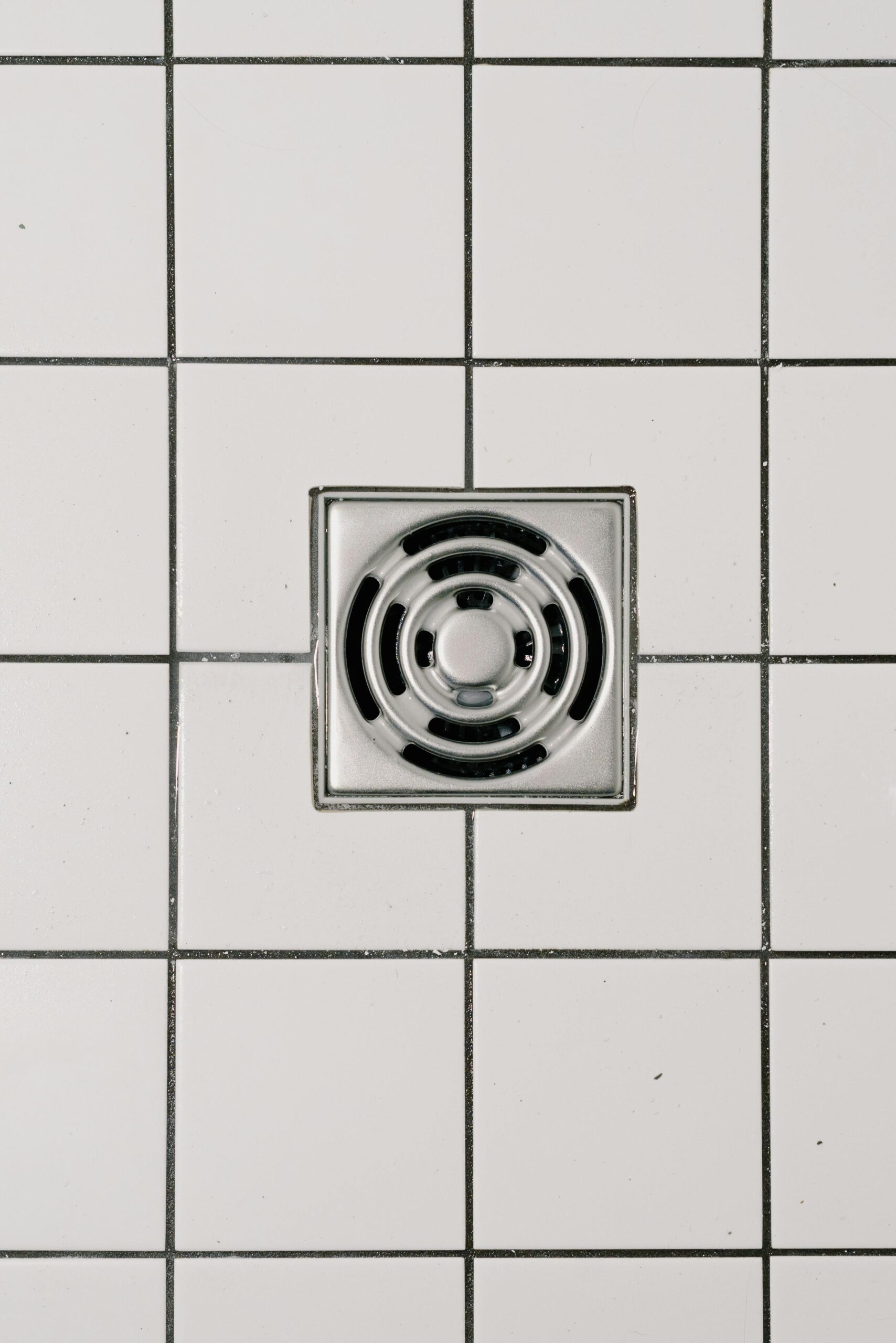
Do not forget the drain. It does a lot of dirty work.
If the smell is more sewer-like, rotten, or coming from a specific drain, it may be a plumbing-related issue.
Sometimes, sewer-like smells enter a bathroom because the water in a drain trap has evaporated, especially in drains that are rarely used. A simple first step is to check floor drains and other possible entry points, then add water to the drain to help restore the trap seal.
This is why guest bathrooms, floor drains, and rarely used shower drains can suddenly smell strange. The drain may simply need water to restore the trap seal. But if the smell persists, becomes strong, or seems to come from behind walls or fixtures, that is already a plumber problem, not a scented candle problem.
Air freshener is not a cleaning strategy

Air freshener is the finishing touch, not the whole plan.
We love a good bathroom spray. We support the candle. We respect the diffuser.
But fragrance can only cover a smell. It cannot remove the source. If the source is moisture, mold growth, drain buildup, or a plumbing issue, the nice scent will eventually lose the argument.
The better approach is source removal: clean the buildup, dry the area, improve airflow, and check if the smell is coming from drains, hidden damp spots, or fixtures.
Be careful with bleach and strong cleaners
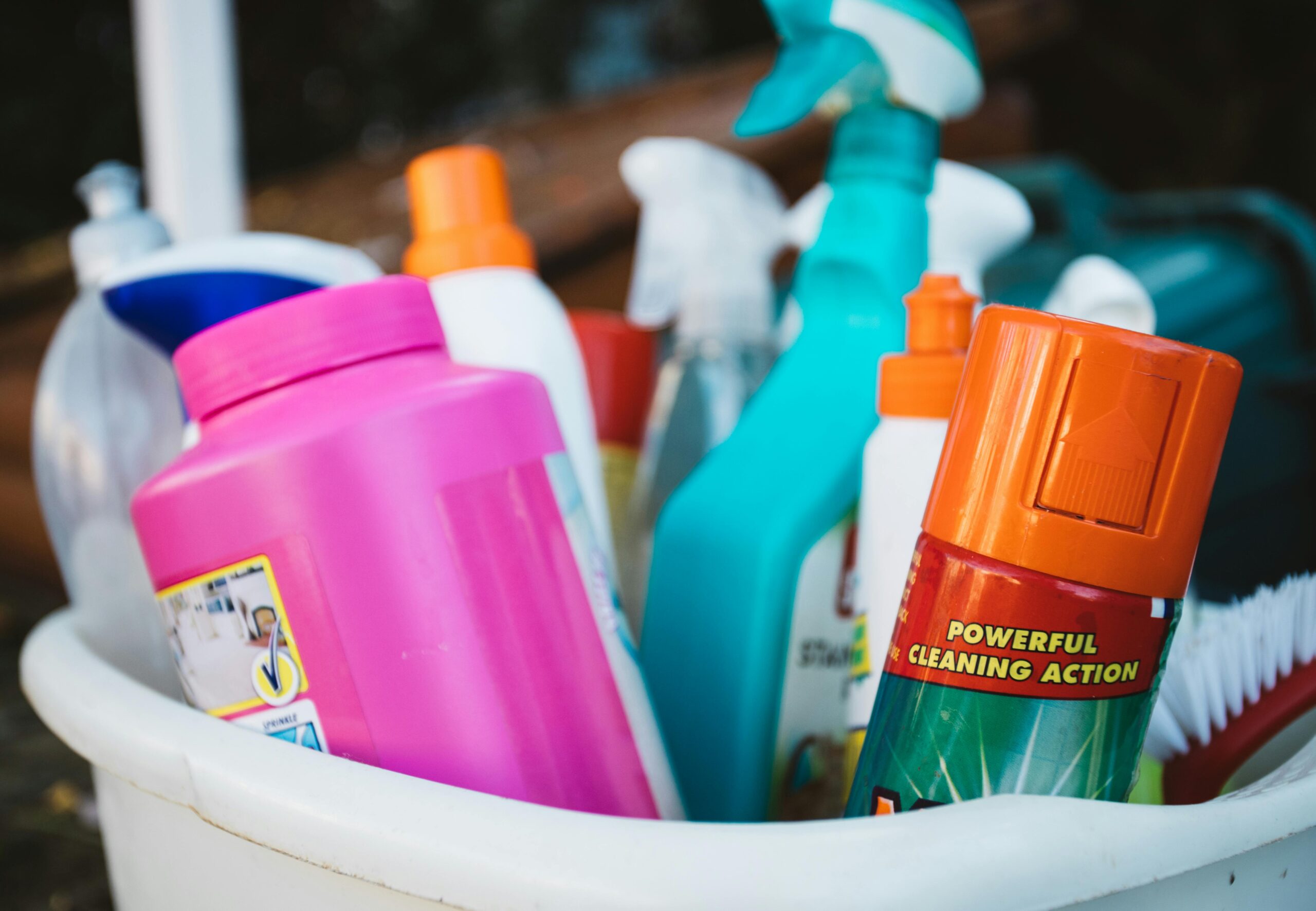
The right product matters more than the strongest one.
Strong cleaning products can help in some situations, but they need to be used safely. The CDC warns never to mix bleach with ammonia or other cleansers. It also advises opening windows or doors for fresh air when using cleaning products, and if using bleach for mold cleanup, using no more than 1 cup of bleach in 1 gallon of water.
Also, bleach is not magic. In most cases, simply killing mold is not enough; even mold that is no longer active can still trigger allergic reactions in some people, so killing mold is not enough. It must be removed, and the moisture problem must be fixed or the issue will likely come back
When should you call for help?
A normal bathroom smell after use is one thing. A smell that keeps coming back after cleaning is another.
You may need deeper cleaning or professional help if:
- Your bathroom smells musty even after cleaning.
- The smell comes from the drain.
- There are dark spots on grout, walls, ceilings, or corners.
- The toilet base smells unpleasant.
- The area stays damp for long periods.
- You see recurring mold or staining.
- The smell is sewer-like or unusually strong.
Smaller moldy areas may often be handled by homeowners, but if there has been a lot of water damage, extensive mold growth, or other pressing or more serious issues, professional help is recommended.
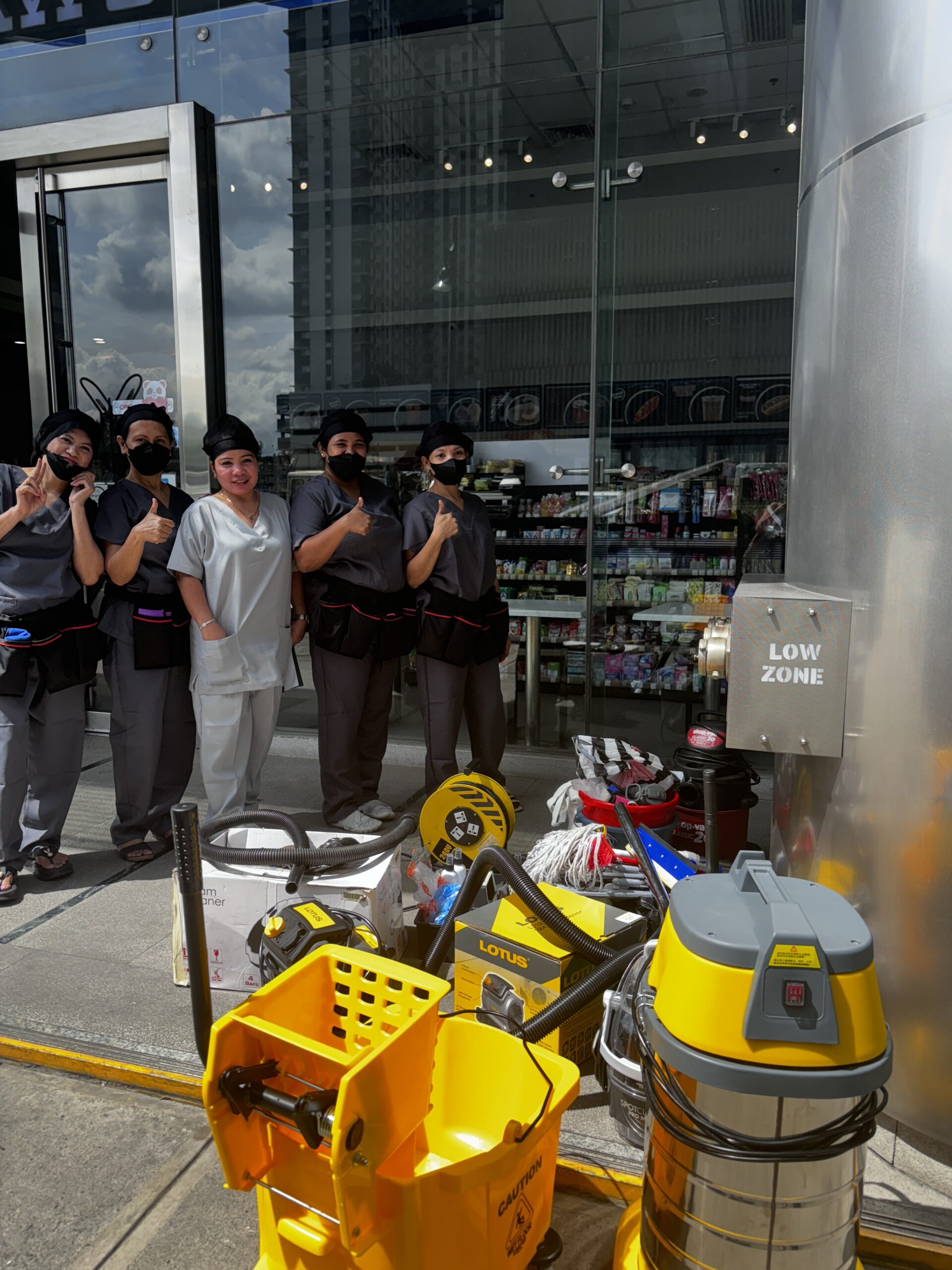
If the smell keeps coming back, it may need a deeper clean that is best done by professionals.
Disclaimer: The information in this blog post is provided for general educational and household maintenance purposes only. It is not intended to replace professional medical advice, diagnosis, or treatment.
If you or any member of your household is experiencing severe allergies, asthma flare-ups, skin irritation, breathing difficulties, or other unusual symptoms, please consult a qualified physician, allergist, or other appropriate healthcare professional. This article cannot determine the exact cause of any health-related condition or reaction.
Any cleaning methods, product suggestions, or maintenance tips mentioned in this article should be done with reasonable care and according to the manufacturer’s instructions for your furniture, appliances, fabrics, and other household surfaces. We are not responsible for damage to property or injury resulting from improper cleaning methods, misuse of equipment, or the use of unsuitable products.
For persistent mold, strong sewer odors, suspected plumbing issues, sewage contamination, or health concerns, consult the appropriate professional.